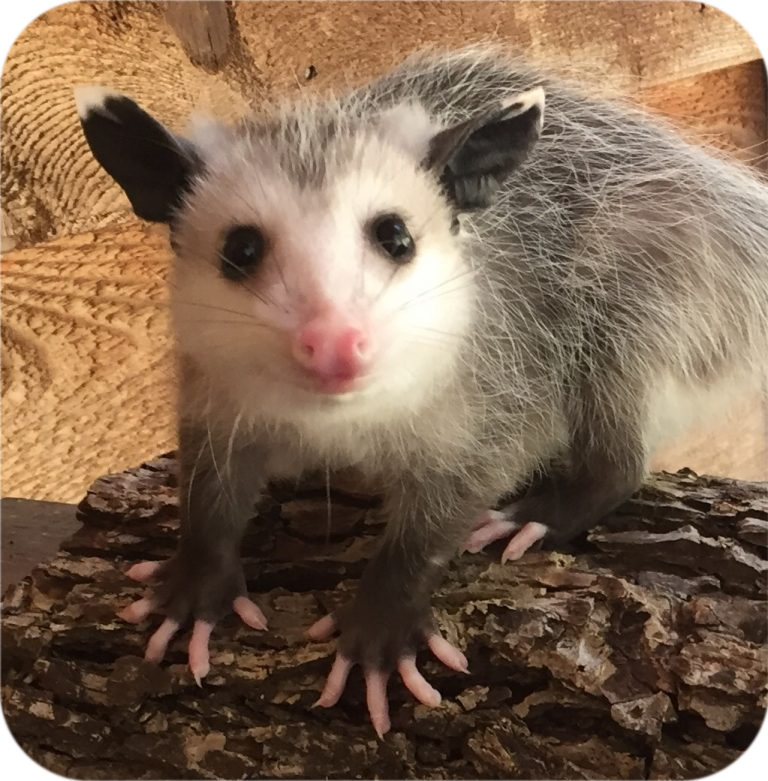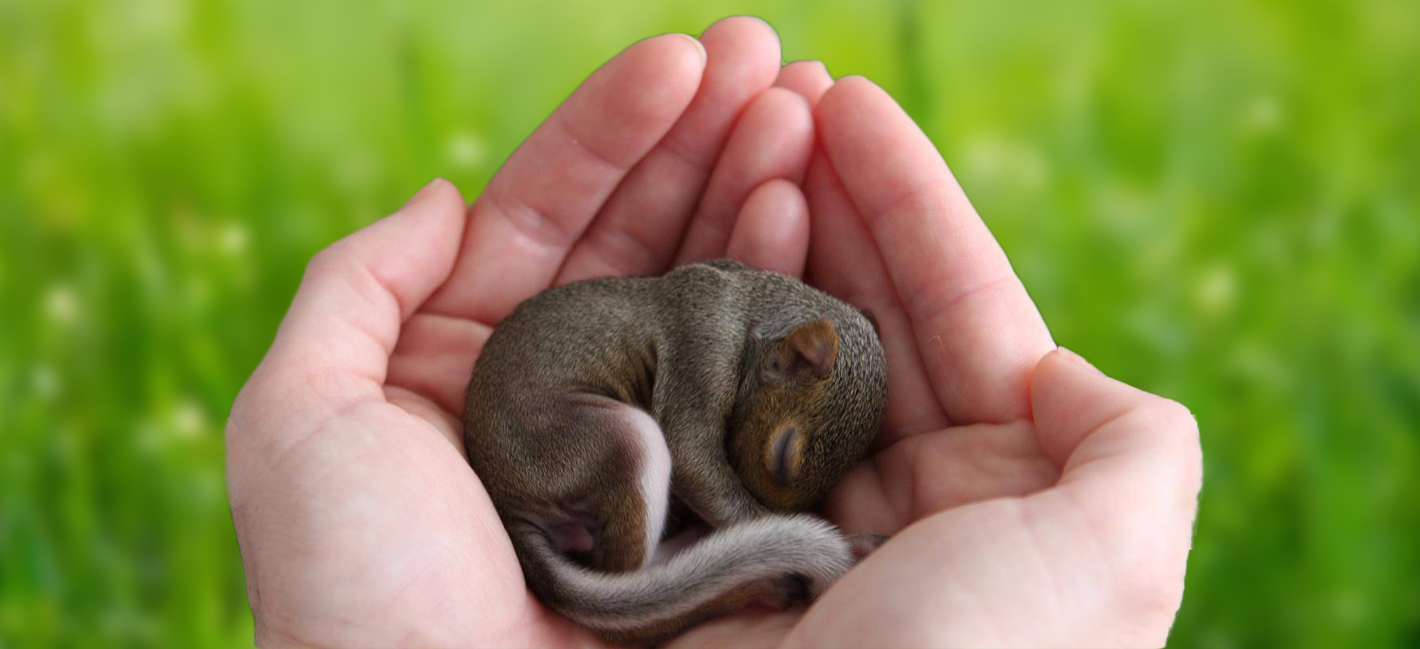
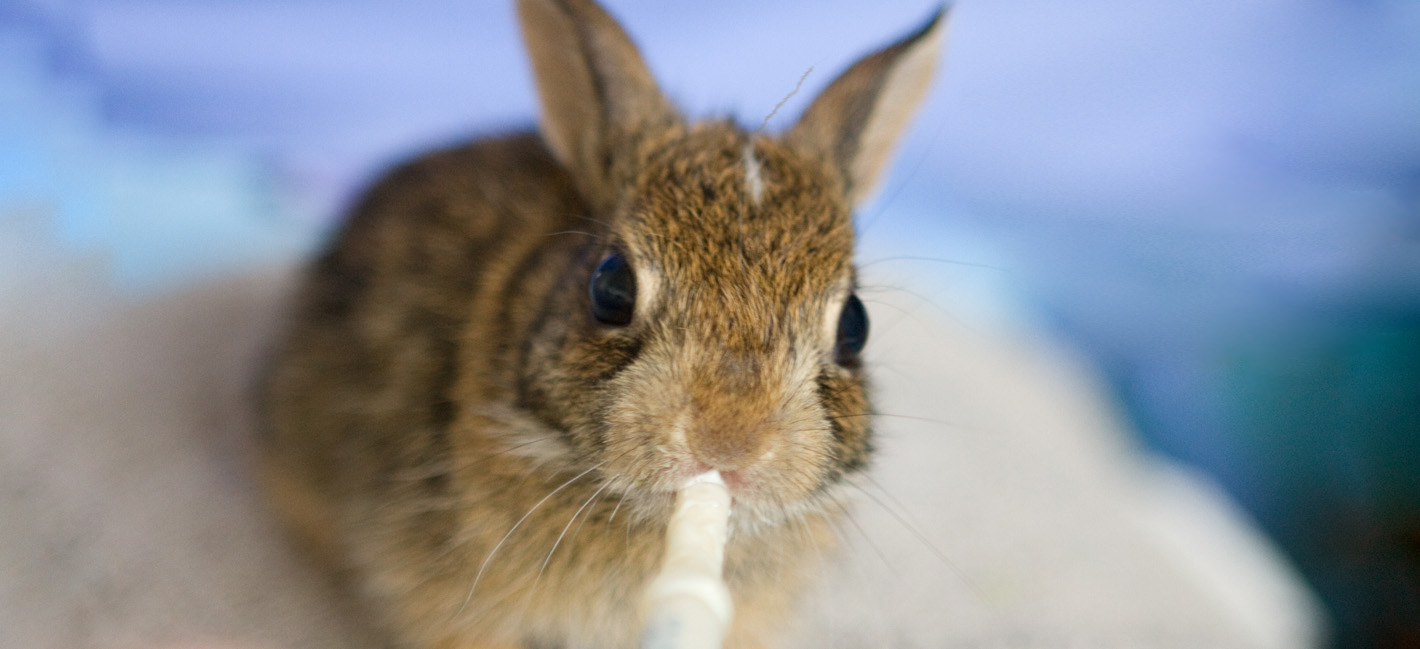



Wildlife Welfare, Inc. is an organization in and around the Raleigh, North Carolina area dedicated to the rehabilitation and release of injured and orphaned wildlife. It was formed in 1991 by licensed wildlife rehabilitators and wildlife lovers. Local rehabbers in our area are involved in helping approximately 2000 animals each year.
We would like to thank our outstanding newsletter editor Kim Ashby for all of her hard work on our newsletter. You can read a past issue of it for yourself here. To receive future copies directly in your inbox, sign up by sending an email to newsletter@wildlifewelfare.org


DON’T DO THIS!
Do not give food or water to a bird or small mammal that you have found. We often cannot save an animal after a well meaning person has given the wrong food or the baby has aspirated.
Do not rescue a fledging (a young bird that has recently acquired its flight feathers)
from the ground if the parents are feeding him. Fledglings sometimes leave the nest but are not quite ready to fly and the parents will continue feeding on the ground for a few days. You may notice the baby alone for a while but the parents will come back off and on all day. You must watch continually without looking away for 45 minutes to confirm that no parent is feeding a fledgling.If you need to move him to better place, call the Triangle Wildlife Rehabilitation Clinic and get detailed instructions. Also, do not try and remove birds from your chimney. Please, call the TWRC at 919-544-3330
Do not let children or pets near the animal. These animals can die from stress even from simply being handled or being around unusual sounds and smells. Keeping the animal in a semi-dark quiet location in your house is the best thing you can do.
Do not forget to add heat to a baby or injured animal. Bring the animal inside and fold a blanket or unfrayed towel on the bottom of a box and place a heating pad set on low under 1/2 of the box. An additional towel may be needed if the heating pad gets too hot and you can gently tent another light towel over the animal to cover him If you don’t have a heating pad, then use a hot water bottle, a jar with a tight fitting lid, or a Ziplock bag filled with warm water and place under the blankets securely. Do not let the water turn cold and check the baby often to make sure he is getting warm but not overheated. Additionally, a sock with a cup of uncooked rice or beans can be heated in the microwave until warm (about 1-2 minutes) and placed under the blanket with the animal. Always check your heat source to make sure it is not too hot or has not cooled.
Do not clean wounds. This will add additional stress to the animal. Wait and let an experienced rehabber deal with injures of any kind. Keeping the animal quiet and calm is very important with any injury.
DO THIS!
Do click on the tab “Found an Animal/Need a Rehabber” and then click on the animal you have found. Scroll down the rehabber list until you reach the animal and call the closest rehabber to you. We may not have a rehabber in every city for every animal. Example: If you live in Raleigh then you may need to call a rehabber in Cary or Wake Forest. If no one is home, it is very important to leave a message and phone number so they can call you back as soon as possible.
Do keep the animal in a semi-dark quiet location in your house away from children and pets.
Do add heat to a baby or injured animal. Bring the animal inside and fold a blanket or unfrayed towel on the bottom of a box and place a heating pad set on low under 1/3 of the box. If you don’t have a heating pad, then use a hot water bottle, a jar with a tight fitting lid, or a Ziplock bag filled with warm water and place under the blankets securely. Do not let the water turn cold and check the baby often to make sure he is getting warm but not overheated. Additionally, a sock with a cup of uncooked rice or beans can be heated in the microwave until warm (about 1-2 minutes) and placed under the blanket with the animal. Always check your heat source to make sure it is not too hot or has not cooled.